
WASHINGTON — President Donald Trump signed an executive order Friday aiming to limit how long a student-athlete can compete in college sports and how often they can transfer between schools.
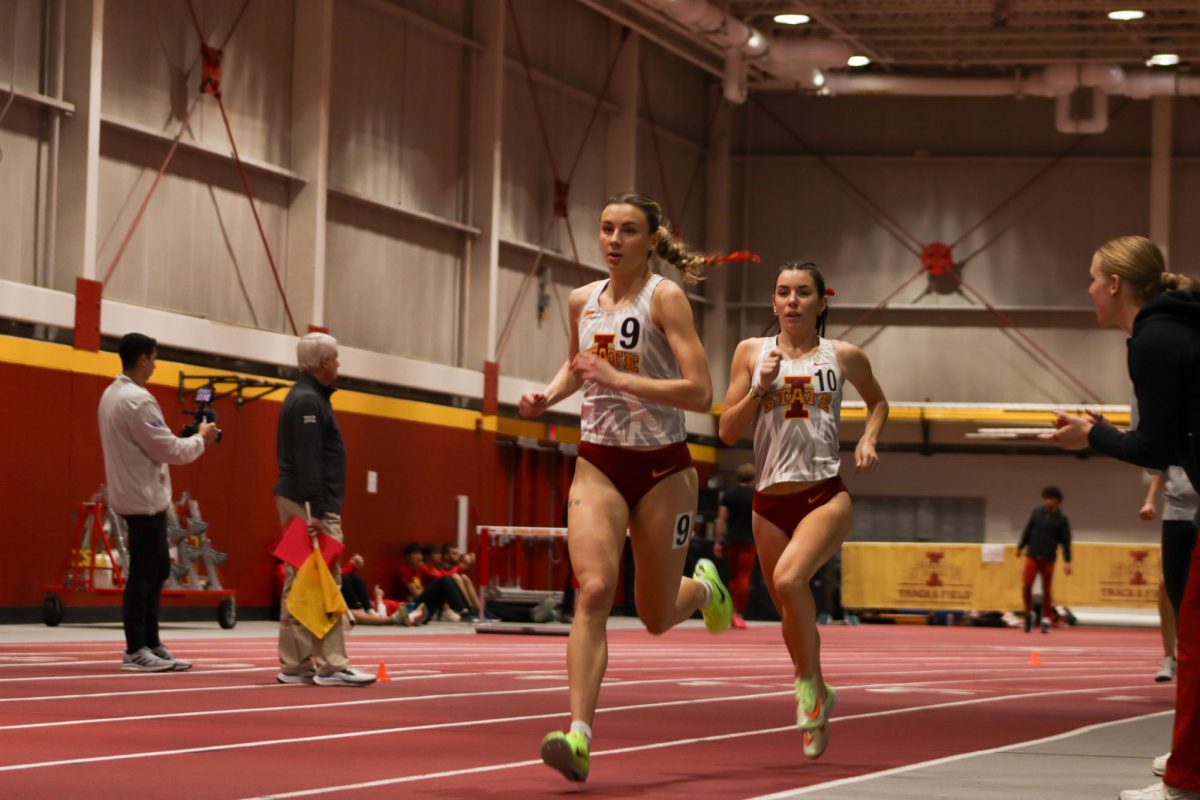
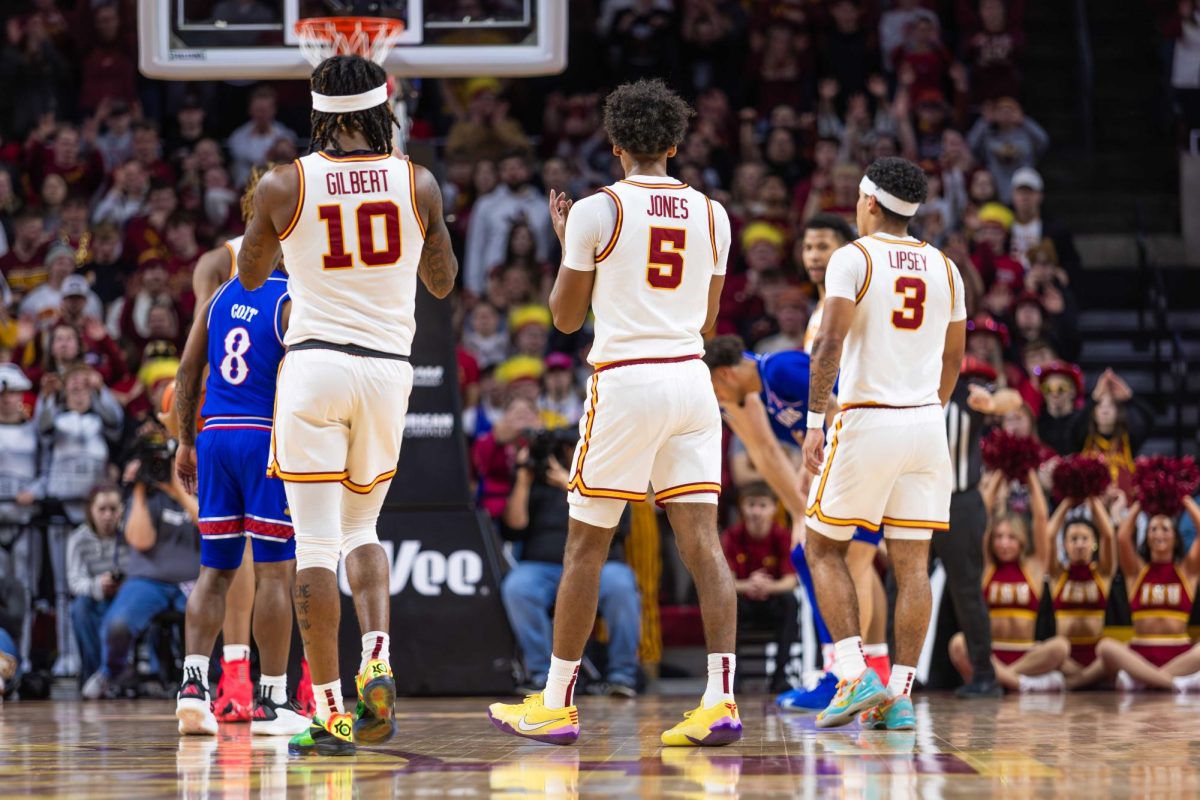
The order establishes new restrictions on student-athlete movement and eligibility, capping participation at five seasons within a five-year window while limiting athletes to one transfer without sitting out before graduating. It also places added pressure on schools, as programs that accept athletes who have already transferred once could risk losing federal funding, signaling a significant shift in how roster building and player mobility are managed.
However, multiple attorneys who work with colleges and athletes told ESPN the order would likely be ruled unconstitutional and unenforceable if challenged in court.
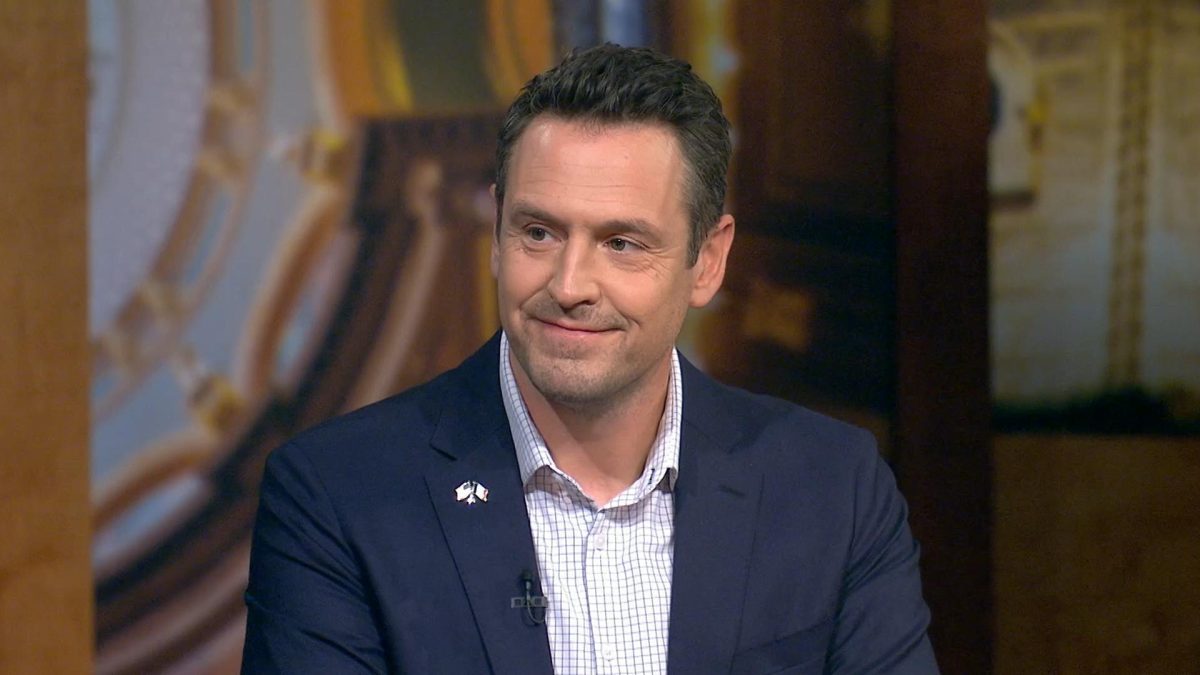
Trump acknowledged in early March that legal challenges were likely when he first floated the idea during a White House roundtable with college sports leaders, a meeting that included Endowed Cyclone Director of Athletics Jamie Pollard.
The Trump administration has previously attempted to use the threat of withholding federal funding to enforce policy, with mixed results.
In September, a federal judge blocked an effort to penalize Harvard over an unrelated executive order.
The immediate uncertainty surrounding the order could impact roster movement, potentially discouraging some athletes from entering the transfer portal when it opens next week for basketball.
The move marks the Trump administration’s second attempt to influence college sports through executive action. An order placed in July 2025 had little impact on the industry, which has faced growing instability since a 2021 U.S. Supreme Court decision ruled the NCAA is not exempt from antitrust laws.
Since that initial ruling, the NCAA has loosened transfer restrictions and allowed athletes to move freely, while also navigating ongoing legal challenges tied to eligibility limits. Current NCAA rules allow athletes to compete in four seasons over five years.
Friday’s order did not address other issues within college athletics, including whether athletes should be classified as employees or how schools should share revenue from media rights.
Lawmakers have spent years attempting to pass federal legislation to regulate college sports, but no bill has reached a full vote in Congress. The proposed SCORE Act has been delayed multiple times in the House, though it could be revisited this month.
The SCORE Act aims to establish Name, Image and Likeness standardization, grant antitrust immunity, prohibit student-athletes from becoming employees, protect student-athletes and regulate agents in college athletics.
Meanwhile, Sen. Ted Cruz and Sen. Maria Cantwell are working toward a bipartisan proposal, though disagreements over athlete employment and collective bargaining remain significant hurdles.