
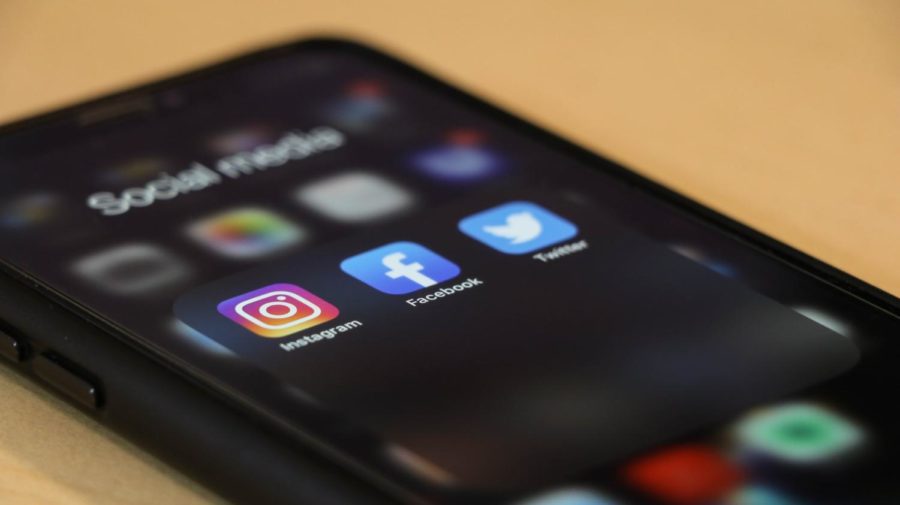
In the age of endless scrolling, the headline has replaced the article. It’s what we see first, and often, it’s all we see.
With one tap, a story can be shared, debated or condemned before anyone has even read past the first line. Sharing a link has become a way to signal awareness, outrage or belonging. Even when we don’t know what we’re actually agreeing with.
A 2016 study from Columbia University found that nearly 60% of links shared on social media are never opened. In other words, most people are forming and spreading opinions based on what an editor thought would get clicks, not on what the piece actually says. What was meant to be an entry point to information has turned into a substitute for it.
The problem isn’t just laziness; it’s the illusion of participation. When you share a headline that says “New study finds phones are making kids anxious,” it feels like you’ve contributed to a conversation about mental health.
But if you read the article, you might learn that the study’s results were mixed or that the anxiety was linked to something else entirely, like sleep deprivation or parental stress. Those details are inconvenient, though. They don’t fit neatly into a tweet.
This dynamic has warped political and cultural discourse. A headline about a proposed policy can ignite outrage before the bill even exists in its final form.
A clipped quote “taken out of context,” as the phrase goes, can dominate the news cycle for days, shaping public perception of a person or issue long after the truth emerges. The more emotional the reaction, the more clicks the story gets. It’s a feedback loop of anger, affirmation and misinformation.
The result is a kind of “headline activism,” where people perform engagement rather than practice it.
It’s visible everywhere, from Instagram infographics that oversimplify systemic issues to X threads that go viral because of their first sentence, not their substance. We’ve created a culture where reading has been replaced by reacting.
And this has consequences far beyond embarrassment or miscommunication. When misinformation spreads through half-read posts, it damages trust not just in the media but in each other.
Readers start to assume that every outlet is manipulative, every journalist is biased and every headline is deceptive. In turn, legitimate reporting, the kind that demands time, evidence and expertise, gets drowned out by content that’s simply more clickable.
Even reputable outlets aren’t immune. Editors know they’re competing for attention, not accuracy. That’s why headlines have grown sharper, shorter and more emotional.
“Study suggests possible link between X and Y” becomes “X causes Y.” Ambiguity doesn’t trend; certainty does.
But there’s still a way to resist this economy of reaction. It starts with slowing down, with remembering that a headline is an invitation, not a conclusion.
Read before you share. If something makes you angry, curious or smug, that’s usually the best sign to pause. Ask what the headline is leaving out, and whether the article itself supports the tone it sets.
This sounds small, but it’s a form of civic discipline, one that protects the quality of our collective attention. Because when we reduce journalism to headlines, we don’t just lose accuracy.
We lose empathy. We lose the ability to understand people or issues beyond the emotion of the moment.