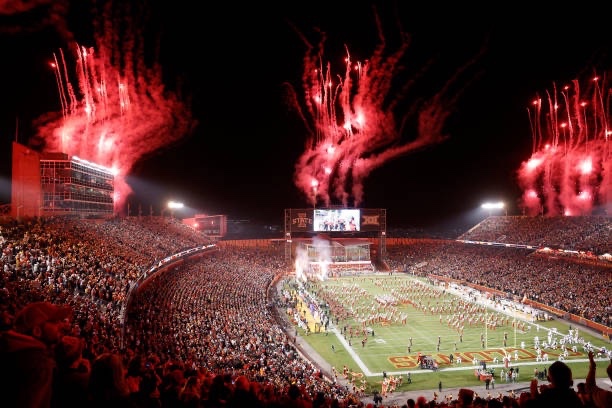
I’ve seen it. You’ve seen it. We’ve all seen it. Each year, it just gets closer and closer, brought to us by corporate America while we are still sweeping up the ashes left behind by the multi-color cavalcade of pyrotechnics we, for some reason, just have to set off year after year on July Fourth. Of course, I mean Christmas. Stores start stocking stocking-stuffers seemingly as soon as they can. Why, dear readers, are we forced to contend with this when there is a much better holiday and season to bring about the end of summer early?
Fall. The glorious time of year when the heat isn’t too hot, and the cold isn’t too chilly. Leaves change color and fall. The world glows in its soft orange and red. As described by Farmers’ Almanac, fall officially begins this year on Sept. 22 with the autumnal equinox. That is when days become shorter than nights, and plant growth slows, leading farmers to begin their harvests. This does not mean that the spirit of the season cannot be celebrated early, along with its most anticipated holiday. Of course, that is Halloween.
Originating from the Celtic festival of Samhain, a pagan religious celebration to welcome the harvest following the end of summer with the aforementioned autumnal equinox, the origins of Halloween and its many traditions are explained thoroughly in this article by the Library of Congress. While Halloween has arguably become extremely commercialized and stores have started stocking it as early as Christmas, as discussed in an article from The Conversation, people do not celebrate it or get into the spirit until closer to the holiday.
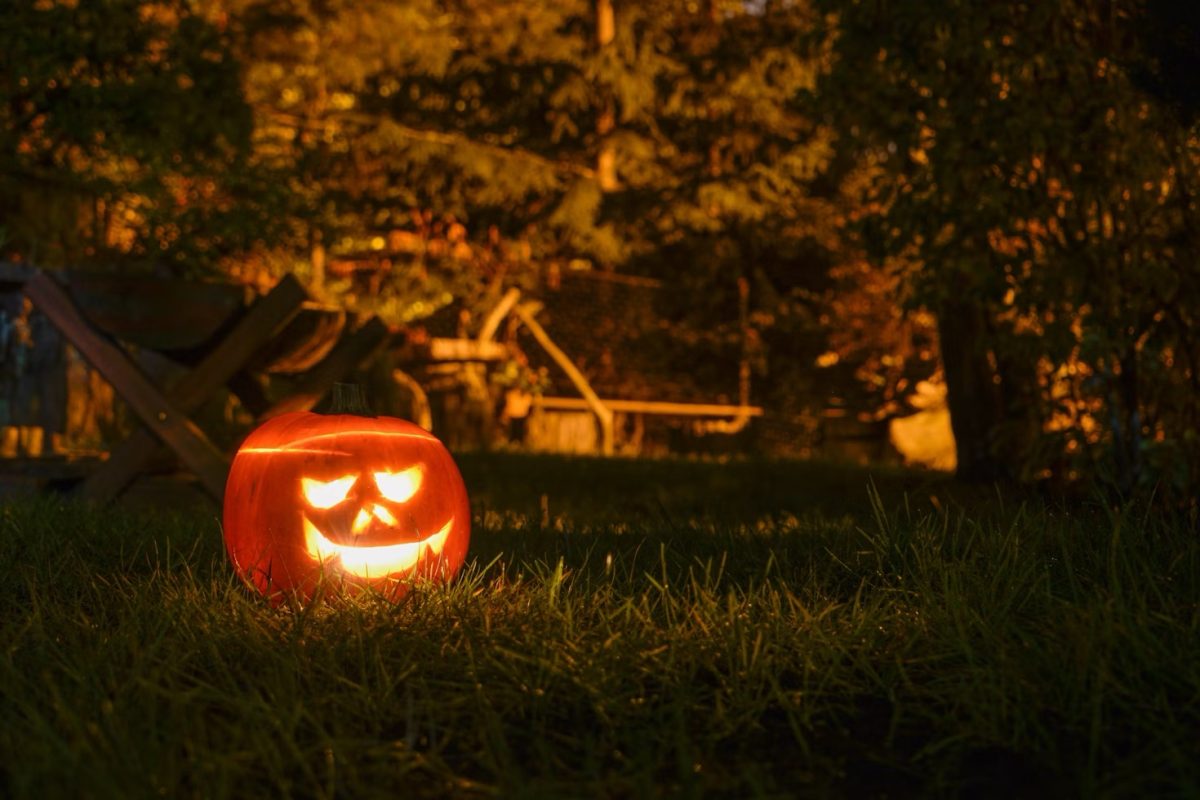
Fall is a season of change; people welcome in their harvest while the world around them prepares for winter. Animals and plants have to prepare and adapt to the incoming weather. It is a season that encourages us to reconnect with nature, as it is the only one that offers this particular view of the world. We are meant to explore the woods as leaves fall and hunt for strange oddities not found at any other time. To go into dark forests where we may run into the monsters and creatures we dress up as on Halloween. To ward them off with glowing carved pumpkins, while we go collect sweets and dispense a myriad of tricks upon unsuspecting people.
This lost connection to the world’s mystery. The loss of Folk tales and listening to nature resulted in a feeling of loss. The Guardian talks about how societal disconnect from nature has fueled the environmental crisis the world faces. I’d argue that getting reconnected with this perspective of the world, that is something that holds mystery and wonder and excitement, is the way to bring that connection back.
July Fourth is an important holiday. It is important to recognize the birth of our nation. However, it is also the culmination of the spirit of summer. The carefree, reckless abandon of being let off from our responsibilities until the school year begins again. Once it’s over, it only feels natural to start seeing spirits walking in the fog. To see leaves change color, to watch birds fly south, and to feel the need to wander and discover what’s out in the woods. This is what fall is all about; it is the culmination of Halloween. It’s why we need to begin celebrating it as soon as we can. Not so we can buy decorations or candy, but so we can come together and experience the world around us, getting ready to go to sleep before the harsh reality of winter sets in and forces us indoors.
The spooky season isn’t something people need to be forced into celebrating; they need to be shown that it is the natural progression of our connection to the world. If we can reconnect in this way, it would bring us back to a more community-focused time in American history.