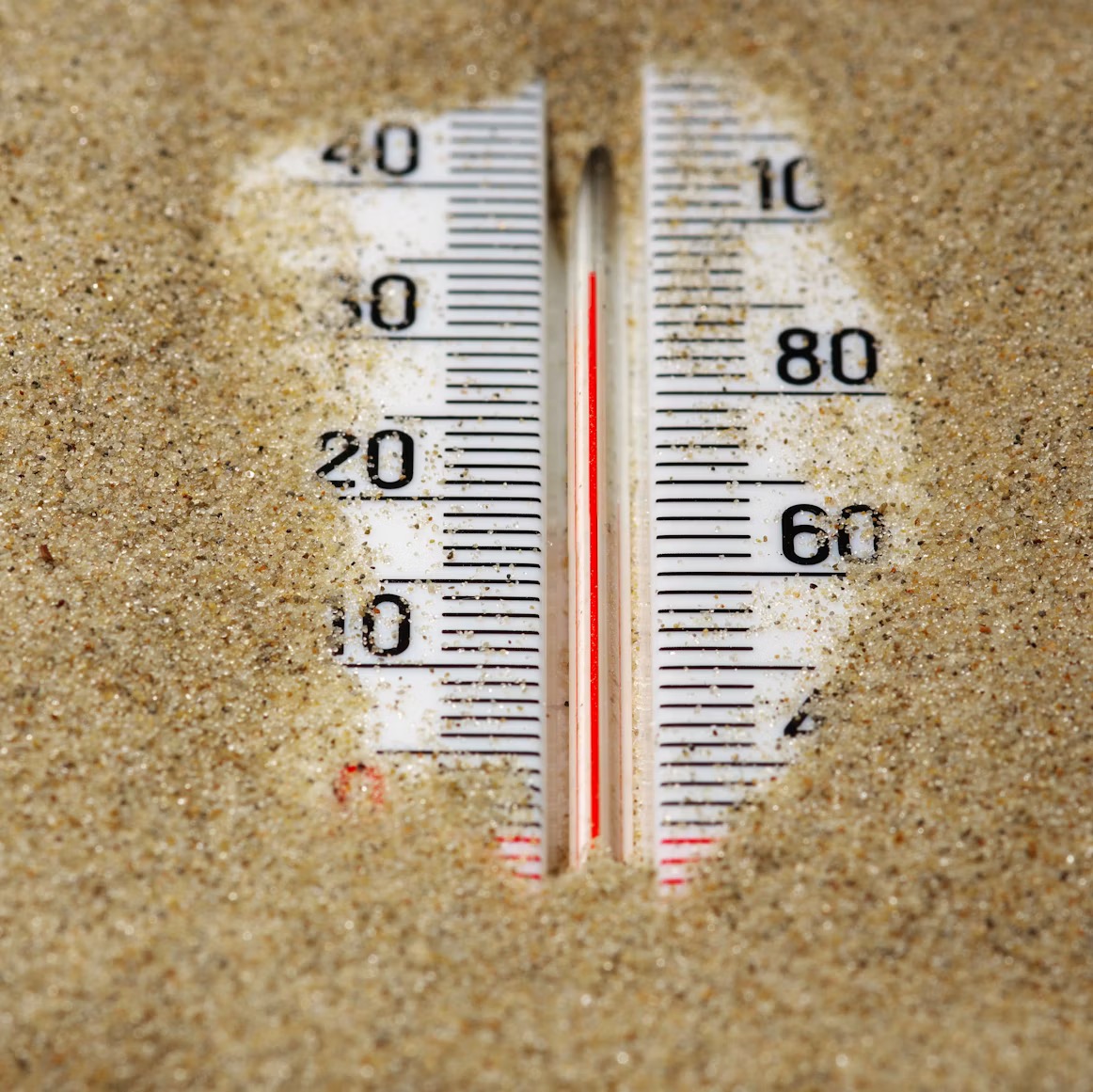
It has become an annual occurrence that we hear about record-breaking temperatures in one part of the world or another. We may not even need the numbers when we ourselves experience our summers getting hotter and more uncomfortable. Our air conditioners cost more to run, our equipment breaks down more often than it should, and we start sweating even when walking across the street.
This change has been gradual. Small enough that it becomes hard to decipher the exact sensation that is different from the year before. But all of us know that summers when we were kids were more comfortable. Playing catch outside was a possibility not shut down by constant heat warnings.
This unbearable heat is not just a feeling, either. Agricultural cycles, migration patterns and natural disasters all point towards the global phenomenon of rising temperatures. These variations are not part of a statistical anomaly. They are the telltale signs of an irregular and unnatural shift towards disaster.
The question this raises is: what are we doing to fix it? The unfortunate answer is: very little. Industrialized countries that contribute the most to global warming also fail to pay their fair share to mitigate climate change. The reasons for such behavior range from a lack of will, stemming from the infrastructure that protects them from sudden change, to a power dynamics issue in which they seek to shift the blame.
For the former, the countries that contribute the most to climate change indeed feel it the least. The region of the world dubbed the “global south” suffers disproportionately, with victims of extreme temperatures, droughts, and flooding. At the same time, these nations lack the financial safety nets needed to withstand these challenges and suffer the most severe consequences.
As these issues compound and our need to address them increases, our efforts decrease. Global funding for the discovery of new technologies has been declining, and sustainability efforts have stalled. Grants and support programs in the U.S. have been cut, and departments seeking to alleviate the issue have faced many challenges rather than support.
This leaves us in a precarious position. We have to inherit this earth, and unfortunately, with the way things are headed, we might not have a livable planet for long. These rising temperatures are only going to get hotter, and our winters will only get colder. Rains will become more irregular, and the destruction of ecosystems will absolutely trickle down to us, ruining our lifestyles.
As things stand, we can not continue like this.
Our recycling and choosing a paper straw over a plastic one, while crucial to collective efforts, are not enough in the grand scheme of things. The market conditions make it unlikely that renewable energy and electric vehicles will become mainstays soon. Unless we all shift our habits to favor more sustainable business practices, we will not be able to guide the market based on consumer preferences.
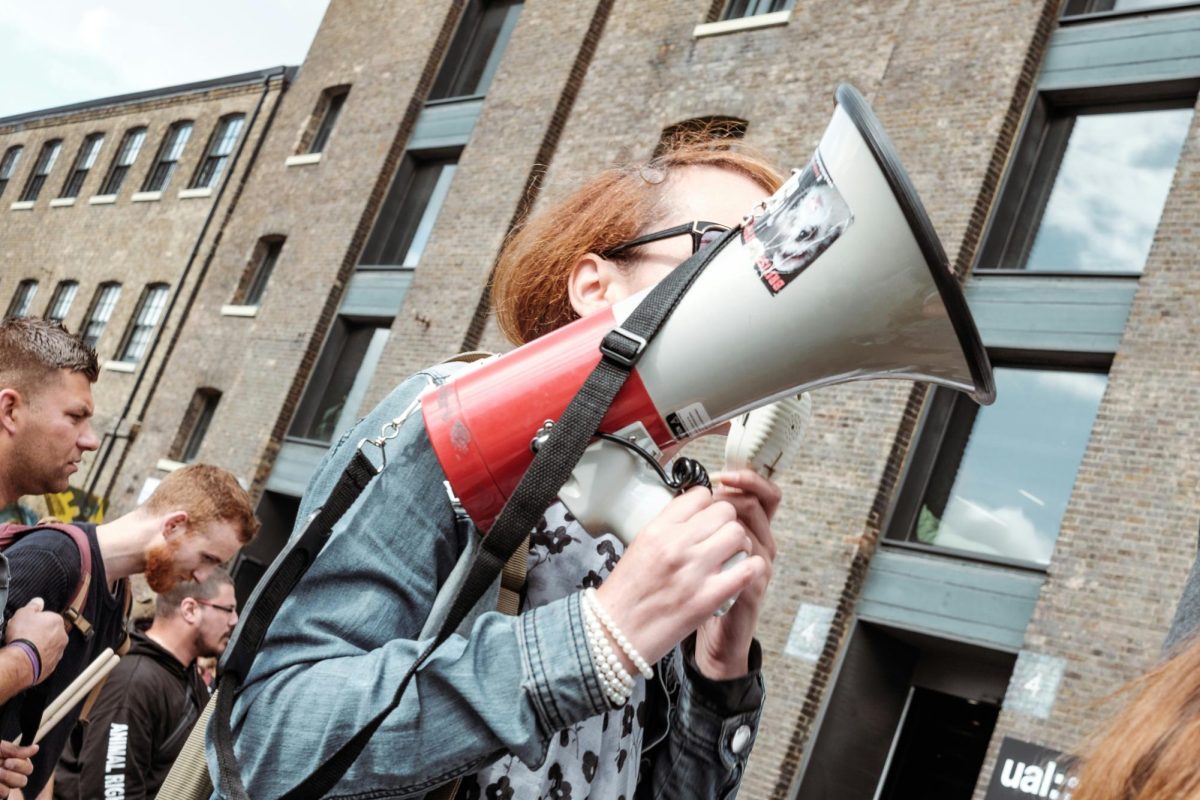
Our choice and pressure on the government should also be aimed towards reliable climate policies. Demanding safer living conditions for ourselves and our future generations is not part of any political ideology or agenda. Matters of survival should never be treated to drawn political lines. Our voices should be collective, and our actions should be united. Unless we act together, we are doomed to unlivable conditions for a very short while, till our way of life is completely changed.
The matter is not hopeless either. As time keeps ticking away and our efforts should have started yesterday, there is truly no better day than today. By building communities and networks to support climate action and shifting our priorities toward making the world more comfortable, we can reverse this trend.