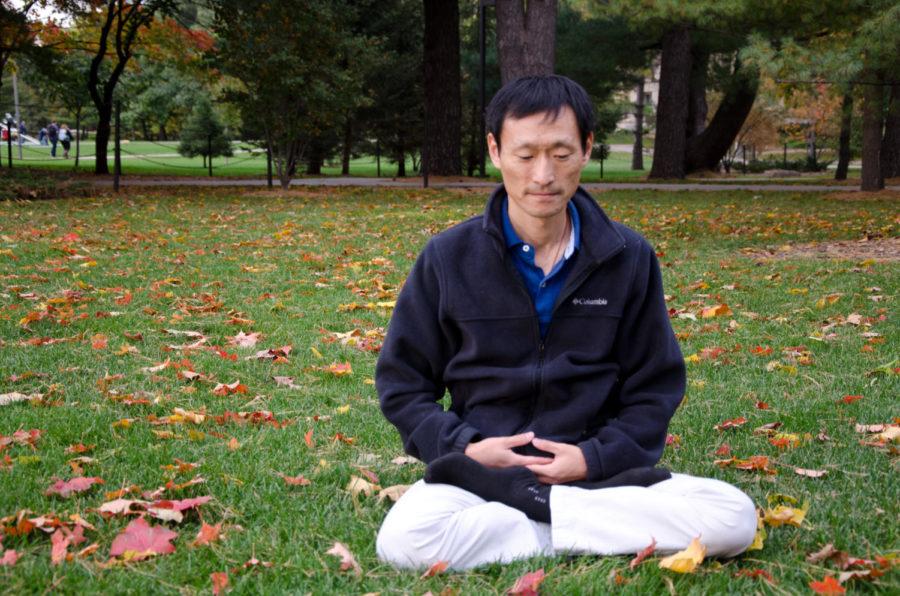
Between classes, deadlines and endless notifications, silence can feel impossible to find. But a few brushstrokes might help. What if art wasn’t about creating something beautiful but simply about breathing, slowing down and letting go?
Meditative art serves as a creative outlet for integrating mindfulness and meditation into artistic expression. It’s a practice that emphasizes being in the moment, finding peace and releasing stress.
There are many types of breathwork, from painting to mindful doodling, accessible to all people with a piece of paper and a willingness to explore. Meditative art enables participants to express their emotions through their artwork. It is beneficial to release negative energy while boosting creativity.
Mandala coloring
Many stress-relief coloring books feature circular and symmetrical designs intended to provide a sense of satisfaction from filling in blanks, much like the feeling of checking a task off a to-do list. Coloring these pages is helpful for beginners to meditative art. Anyone with access to a coloring book or printer can participate!
Collages
Creating collages, similar to vision boards, encourages reflection on personal goals, emotions or memories. By combining images, colors and words, there’s a way to externalize feelings and focus on intention rather than perfection.
Clay modeling
Working with clay allows for tactile, hands-on meditation. Shaping and molding soft material can be incredibly grounding, providing a sensory experience that helps calmness and concentration.
Art journaling
Journaling through art combines writing and visual expression, allowing for emotional processing. Sketching, painting or pasting materials into a journal can help organize thoughts and relieve mental clutter.
Nature sketching
Drawing inspiration directly from nature encourages mindfulness through observation and appreciation. Whether it’s a tree, a flower or a cloud formation, capturing natural forms can help artists and everyone slow down and connect with their surroundings.
Breathwork painting
This practice involves coordinating brushstrokes with intentional breathing. By focusing on each inhale and exhale while painting. Participants create art that reflects their inner self, characterized by relaxation, rhythm and flow.
Benefits of meditative art
Practicing meditative art offers numerous benefits for both the mind and body. It can reduce stress by helping participants focus on the present moment rather than worrying about deadlines or distractions.
The process also enhances concentration and mental clarity, enabling the mind to organize thoughts more effectively. At the same time, meditative art encourages creativity, opening space for new ideas and expression. Additionally, engaging in group workshops or classes can foster a sense of community, connecting people through shared mindfulness and artistic expression.
Whether you pick up a brush, pencil or lump of clay, meditative art is an invitation to slow down. You don’t need to create a masterpiece; the beauty is in the process. Start small, experiment and let each stroke guide you toward stillness.