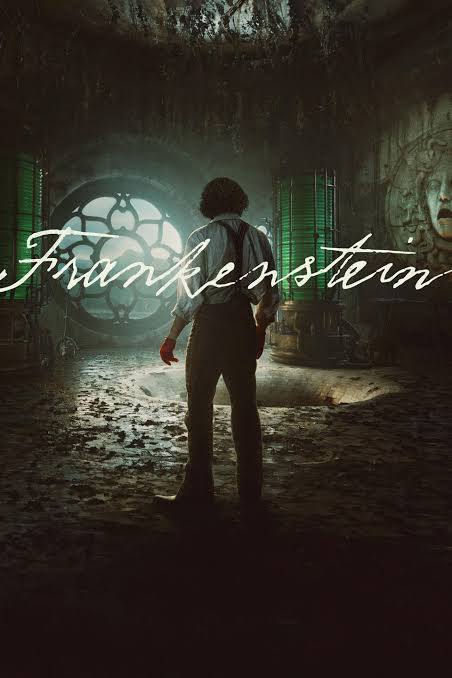
“Frankenstein,” one of the earliest science fiction novels, written by Mary Shelley, is a literary masterpiece.
This book, published in 1818, remains an amazing piece of artwork. “Frankenstein” was a breakthrough in literature during 19th century Britain. No one had ever considered science in this way, and the book quickly gained popularity.
The story is about an inventor named Victor Frankenstein who attaches the limbs of the deceased together and finds a scientific way to bring his creation to life; however, this being is very powerful. Despite this, Frankenstein’s monster is very innocent and thoughtful at the beginning of its life.
Throughout the story, the creature relearns to speak and form ideas as it learns about the cruelty of the world due to its own appearance. It decides to ask Victor if it can have a companion, but Victor also thinks that the creature is dangerous, so he refuses. The monster becomes very angry and decides to act as the world perceives him, a monster. It kills a lot of Victor’s loved ones, including his brother and his brother’s wife, whom Victor married soon after his brother died.
It wasn’t until the 1930s that “Frankenstein” was made into a movie that depicted the monster as a Halloween character. One of the best aspects of the “Frankenstein” (2025) movie, in my opinion, is that it accurately depicts Frankenstein as described in the book.
Frankenstein’s monster is not supposed to be a green Halloween costume with black clothes. The monster is described as human-like in the book. It is made out of real human parts stitched together in just the right way so that all of its bones, nerves and muscles line up.
Although I like the way the monster is physically portrayed, I think the creature was too respectable. One thing I liked about the book was that it was supposed to take a side: either Victor’s or his creation’s. In the movie, it is very obvious that you are supposed to side with the monster.
For one, the monster accidentally kills William and Elizabeth in the movie, and William blames his brother for it before he dies. This places the monster in a heroic position and diminishes the audience’s sympathy for Victor.
Another example is that Victor is not accused of the murders of his loved ones in the movie. This is also a part of the book that allows people to sympathize with Victor’s character.
These are things that, in my opinion, detract from the plot and make the ending of the story less tragic because we see that Victor dies while his monster lives and becomes the hero to the people to whom the story is told.
Overall, Guillermo del Toro is a well-known director who took considerable creative liberty when making this new rendition of Frankenstein; some of his ideas brought the movie to life well, but in the end, the audience is left wondering which person was really the monster. This movie takes out the audience’s ability to debate topics and share ideas about the mystery.